How to Choose the Right Pre-Workout Supplement in Qatar
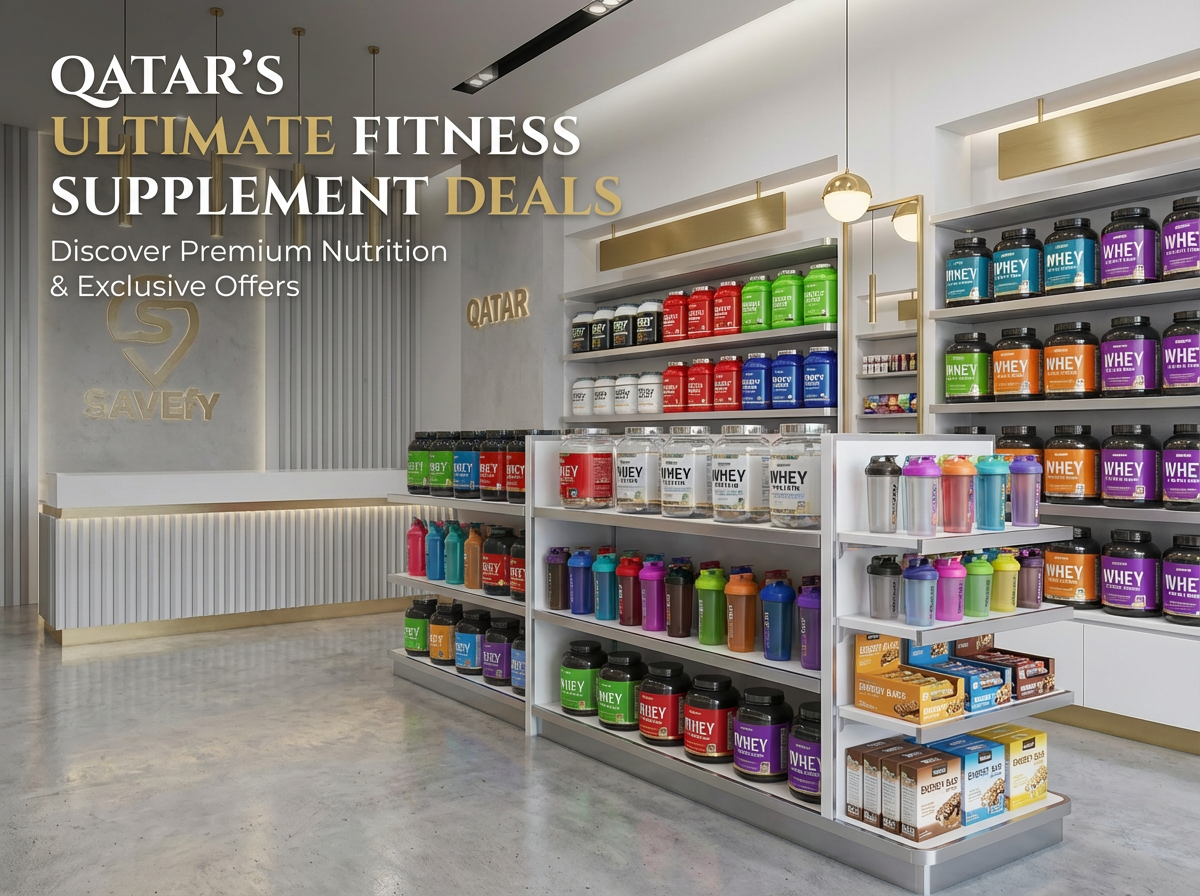
Walk into any supplement shop in Qatar and you'll find the same scene. Someone stands in front of the pre-workout shelf, picks up a tub, reads the label, puts it back, picks up another, and eventually asks the staff "which one is the strongest?" That question is genuinely the wrong starting point — but it's how most pre-workout decisions get made, and it's also why so many people stop using pre-workouts within a few months. The experience didn't match what they were hoping for.
The challenge with pre-workout in Qatar isn't availability. It's that there are too many products on the market — local brands, imported American brands, premium European formulations, budget options, stimulant-heavy versions, stim-free blends — and the typical buyer has no framework for choosing between them. They end up buying based on packaging, gym buddy recommendations, or whichever tub promises the most aggressive energy boost.
Here's what actually matters when choosing a pre-workout, what to ignore, and how to find one that genuinely supports your training.
What pre-workout actually does
Before getting into ingredients, it's worth being clear about what pre-workout is and isn't. It's a supplement designed to support energy, focus, blood flow, and endurance during a training session. It is not a fat burner, not a substitute for proper nutrition, and not going to compensate for poor sleep or inconsistent training. It's a tool that, used correctly, helps you push through the harder reps that drive progress.
The mistake most people make is expecting more than it's designed to do. Stronger formula does not equal better results. The right pre-workout is the one that matches your training style, stimulant tolerance, and specific goals.
The ingredients that actually matter
There are five ingredients worth understanding when comparing pre-workout supplements. Almost everything else is marketing.
Caffeine is the most common active ingredient and creates most of the "feel" of a pre-workout. It increases alertness, focus, and perceived energy. Most pre-workouts contain between 150mg and 350mg per scoop. For context, a strong cup of coffee has around 95mg. Beginners and people sensitive to caffeine should start at the lower end.
Citrulline supports blood flow by increasing nitric oxide production, which creates the muscle pump feeling during training. Look for at least 6g per serving for a meaningful effect.
Beta-alanine helps reduce muscle fatigue during high-intensity training, particularly in the 8-15 rep range. It's the ingredient that causes the tingling sensation in your face and hands — that's normal and harmless.
Creatine supports strength, power, and muscle performance. It's one of the most researched supplements in fitness and works best when taken consistently, not just on training days.
Electrolytes matter more in Qatar than they do in cooler climates. The heat places extra demand on hydration during training, and pre-workouts that include electrolyte support genuinely make a difference, especially during summer months.
The pre-workouts worth your money are the ones with transparent ingredient labels showing exactly how much of each compound they contain. Be cautious of products that hide formulas behind vague terms like "proprietary blend" — that usually means underdosing the expensive ingredients and overloading the cheap stimulants.
The Qatar-specific consideration most people miss
Qatar's climate places extra demand on your body during training, particularly from May through September. A pre-workout that works fine in cooler climates can leave you over-stimulated, dehydrated, and dizzy when you're training in 40°C heat.
A few practical implications. If you're training outdoors or in less air-conditioned spaces, a stim-free or low-stimulant pre-workout often works better than the heavy stimulant blends marketed at competitive bodybuilders. Drinking water alongside your pre-workout is non-negotiable — caffeine acts as a mild diuretic, and dehydration is already a real risk in this climate. And timing matters. A strong pre-workout taken before a 7pm session can interfere with sleep and recovery, and recovery is where actual progress happens.
The buyers who do well with pre-workouts here tend to be the ones who think about their training environment, not just their training intensity.
Common mistakes people make
A few patterns repeat consistently among gym-goers in Qatar.
The first is buying based on stimulant strength rather than fit. A 300mg+ caffeine pre-workout sounds impressive on the label, but if you're a beginner who doesn't drink coffee, that's a recipe for jitters, anxiety, and a heart rate that spikes uncomfortably during your first set.
The second is taking pre-workout every single training day, indefinitely. Tolerance builds quickly. The same tub that felt like a switch flipping the first month barely registers by month three. A smarter approach is to use pre-workout strategically — for the harder sessions, the heavy lifting days, the sessions where you genuinely need help — and skip it for lighter or recovery-focused training.
The third is mixing pre-workout with coffee or energy drinks. Some people genuinely consume 500mg+ of caffeine in a single morning between coffee, pre-workout, and an energy drink on the way to the gym. That's well into the territory where side effects start outweighing benefits.
The fourth is buying premium brands when a mid-range option would work just as well. Brand premiums in supplements can be enormous. Two products with nearly identical ingredient profiles can be priced 40-60% apart purely because of marketing.
The fifth is starting with the maximum recommended dose. Almost every pre-workout label suggests starting with half a scoop to assess tolerance. Almost nobody actually does this. Half a scoop for the first week is genuinely the right approach, especially with high-stimulant products.
Matching pre-workout to your goals
Different fitness goals call for different pre-workout profiles, and this is where most generic recommendations fall short.
If your focus is strength training and heavy lifting, look for pre-workouts that include creatine and have moderate caffeine (around 150-250mg). The goal is sustained focus and power output rather than maximum stimulation.
If your focus is bodybuilding-style hypertrophy, prioritize citrulline content for muscle pumps and beta-alanine for sustained reps. Caffeine matters less than the pump-supporting ingredients.
If your focus is endurance training, running, or HIIT, look for pre-workouts with electrolytes alongside moderate caffeine. Many endurance athletes do better with stim-free formulas that focus on hydration and energy without the central nervous system stimulation that affects heart rate during cardio.
If your focus is fat loss and general fitness, a basic moderate-stimulant pre-workout is usually plenty. The marketing around "fat-burning pre-workouts" is mostly noise — fat loss is determined by overall calorie balance and training consistency, not by which scoop powder you mix.
If you're a complete beginner, pre-workout isn't necessary at all in your first three to six months. A good night's sleep, proper hydration, and a balanced meal an hour or two before training will get you 80% of what a pre-workout offers. Many people start working with a personal trainer in Doha before they even think about supplements, and that's almost always the right order of priority.
What pre-workout typically costs in Qatar
Pre-workout pricing generally falls into three tiers.
Entry-level and budget products — usually smaller serving counts or lesser-known brands — start in the QAR 90 to 150 range.
Standard mid-range pre-workouts from established brands with 30-40 servings per tub typically sit in the QAR 150 to 280 range. This is where most regular gym-goers shop.
Premium and imported pre-workouts — including some American specialty brands and high-end European formulations — can range from QAR 280 to QAR 450+ depending on brand and serving count.
The price gap between budget and premium isn't always justified by ingredient quality. A well-formulated mid-range pre-workout often outperforms a premium brand that's spending half its budget on marketing rather than active ingredients. Reading the label and comparing dosages per serving is consistently more useful than comparing prices alone. For people watching their broader supplement spending, understanding what protein powder typically costs in Qatar helps put the overall fitness budget in perspective.
A few honest tips before you buy
Read the full ingredient panel, not just the front of the tub. Marketing tells you what the brand wants you to think. The supplement facts panel tells you what's actually in the product. The same applies more broadly — knowing what to check before buying protein powder in Qatar is the same skill applied to a different product.
Don't take pre-workout daily, especially as a beginner. Use it strategically for the sessions where you genuinely need it.
Start with half a scoop the first time. Always. Caffeine tolerance varies enormously, and finding out you took too much in the middle of a heavy lift isn't an experience worth having.
Hydrate aggressively. Pre-workout plus heat plus mild dehydration is the trifecta that produces most of the dizziness people associate with bad reactions.
Don't stack pre-workout with coffee or energy drinks. The combined caffeine load is usually higher than people realise.
If you're new to training, choosing the right gym for your goals matters more than any supplement decision. Get the training environment right first.
Finding the right pre-workout
Qatar has a genuinely good selection of pre-workout supplements available — from beginner-friendly options to advanced performance formulas — and the variety means there's a right product for every training style and budget. The key is choosing deliberately rather than randomly.
Browsing supplement stores and current pre-workout offers across Doha makes the comparison straightforward. Match the product to your actual training goals, not to marketing claims, and start with a conservative dose to assess how your body responds.
The right pre-workout isn't the strongest one or the most expensive one. It's the one that fits your training, your tolerance, and your routine — and helps you train consistently for months and years rather than just feel intense for a single session.
Train smart. Choose deliberately. The right pre-workout supports the work, but the work is still the work.
Disclaimer: This article is for general informational purposes only and does not constitute medical, nutritional, or fitness advice. Pre-workout supplements contain stimulants and other active ingredients that may not be suitable for everyone, particularly those with heart conditions, high blood pressure, anxiety disorders, or who are pregnant or breastfeeding. Always consult a qualified healthcare professional or registered dietitian before starting any new supplement.